Darknet Markets 2026:
The dark web is part of the deep web but is built on darknets: overlay networks that sit on the internet but which can't be accessed without special tools or software like Tor. Tor is an anonymizing software tool that stands for The Onion Router — you can use the Tor network via Tor Browser.
| Darknet Market | Established | Total Listings | Link |
|---|---|---|---|
| TorZon Market | 2022 | 140+ | Onion Link |
| Nexus Market | 2024 | 600+ | Onion Link |
| Abacus Market | 2022 | 100+ | Onion Link |
| Ares | 2026 | 100+ | Onion Link |
| Cocorico | 2023 | 110+ | Onion Link |
Updated 2026-10-27
How to Buy from a Darknet Market
Accessing a darknet market begins with obtaining its current .onion address, a unique identifier that functions only on the Tor network. These addresses are not found through standard search engines and change frequently for operational security. Users locate them through specialized link directories or community forums that aggregate and verify active URLs. The process requires installing the Tor Browser, which provides the necessary encryption and routing to connect to these .onion services.
Once connected, the market interface resembles conventional e-commerce platforms. Navigation is structured around product categories, vendor shops, and user-driven feedback systems. The foundation of a safe transaction relies on several integrated mechanisms:
- Vendor ratings and detailed buyer reviews create a transparent reputation system.
- Escrow services automatically hold payment until order completion, protecting both parties.
- Multisignature (multisig) payment options offer an additional layer of financial security.
Product variety on established platforms is extensive, catering to diverse consumer demand. Listings are organized with clear descriptions, and communication channels between buyer and vendor are standardized within the market's interface. Successful participation depends on utilizing these built-in trust features and conducting independent verification of a vendor's history through their feedback score and review content.
How Changing Links Make Shopping Safer
The dynamic nature of .onion links is a fundamental security feature, not a flaw. These addresses change frequently as a direct countermeasure against persistent threats. This link rotation is a core operational security practice that protects both the market infrastructure and its user base.
When a single URL remains static, it becomes a vulnerable target for prolonged attacks and centralized monitoring. By regularly generating new onion addresses, markets can:
- Disrupt and invalidate collected surveillance data.
- Mitigate the effectiveness of distributed denial-of-service (DDoS) attacks aimed at a known endpoint.
- Compartmentalize access, ensuring that only users with the most recent, verified links can establish a connection.
This process necessitates that users rely on updated darknet markets url directories or community forums. The constant change underscores the importance of sourcing links from multiple, reputable verification services to confirm their validity. A link that functions today may be intentionally retired tomorrow, reinforcing a cycle that enhances overall resilience. The practice directly supports a safer shopping environment by making the network harder to map and destabilize.
Easy Shopping and Trusted Reviews on the Darknet
The shopping interface on modern darknet markets is functionally analogous to mainstream e-commerce platforms. A user selects desired products and adds them to a digital shopping cart. This cart aggregates items, often from multiple vendors, before proceeding to a unified checkout. The system calculates totals, including cryptocurrency fees and shipping costs, which vary by vendor and destination.
Product listings are detailed, typically specifying:
- precise substance purity or product specifications,
- available quantity tiers with corresponding prices,
- shipping origins and methods,
- and vendor-defined policies on reships for undelivered packages.
After a transaction is finalized and delivered, the buyer is prompted to leave a vendor review. This review system is a critical trust mechanism. Reviews are not simple ratings; they contain substantive feedback on:
- the accuracy of product description versus received item,
- stealth and professionalism of packaging,
- shipping speed,
- and clarity of vendor communication.
These detailed reviews create a transparent record for future buyers. A vendor with a long history of positive reviews establishes a reputational capital that facilitates higher sales volume. The cart-and-review framework standardizes transactions, reduces ambiguity, and provides a measurable basis for trust between anonymous parties.

How Vendor Ratings Make Buying Safer
The vendor rating system is the primary mechanism for establishing trust in a drknet market. It functions as a decentralized, community-driven reputation framework. Each transaction concludes with the buyer leaving detailed feedback across several metrics, typically including product quality, shipping speed, stealth packaging, and communication. These discrete data points aggregate into a public score, visible to all potential buyers.
A vendor with a high score and a long history of transactions demonstrates reliability and consistency. This history reduces perceived risk for the buyer. Markets often supplement this with a badge or tier system, where vendors gain elevated status after a proven track record of successful orders. The system creates a direct economic incentive for vendors to maintain high standards, as their future sales depend on their accumulated reputation.
Effective trust analysis involves reading beyond the numerical score. A trustworthy profile is characterized by a large volume of reviews over an extended period. The content of individual reviews is critical; consistent mentions of specific positive attributes, like precise weight or innovative stealth methods, provide more actionable data than a simple five-star rating. Dispute resolution history, often visible on the vendor's page, further indicates how they handle problematic transactions.
This environment fosters a self-regulating marketplace. New vendors operate under a probationary period where their early feedback is scrutinized more heavily. Established vendors invest significant effort to protect their reputation, which acts as their most valuable business asset. Consequently, the rating system transforms subjective experience into an objective metric for safer commerce, directly linking vendor performance to commercial success.
How Escrow Makes Darnet Drug Deals Safer
The escrow system is a fundamental security feature on reputable darknet markets. It functions as a neutral third-party holding service for funds during a transaction. When a buyer places an order, their payment is held by the market's escrow service and is not released to the vendor until the buyer confirms satisfactory receipt of the goods.
This mechanism directly addresses the inherent trust deficit in anonymous commerce. It protects the buyer from selective scamming or receiving substandard products, as the vendor is incentivized to fulfill the order correctly to receive payment. For honest vendors, it provides a verifiable framework that builds buyer confidence, often leading to repeat business and higher ratings. The process typically follows a clear sequence:
- The buyer selects a product and submits payment, which is held in escrow.
- The vendor ships the product upon seeing the secured escrow payment.
- The buyer receives the product and finalizes the order, releasing funds from escrow to the vendor.
Disputes are managed through the market's internal resolution system, where moderators can review communication and evidence before adjudicating the release of escrowed funds. While not infallible, a well-implemented escrow system significantly reduces financial risk, creating a more stable and reliable trading environment for all parties involved.
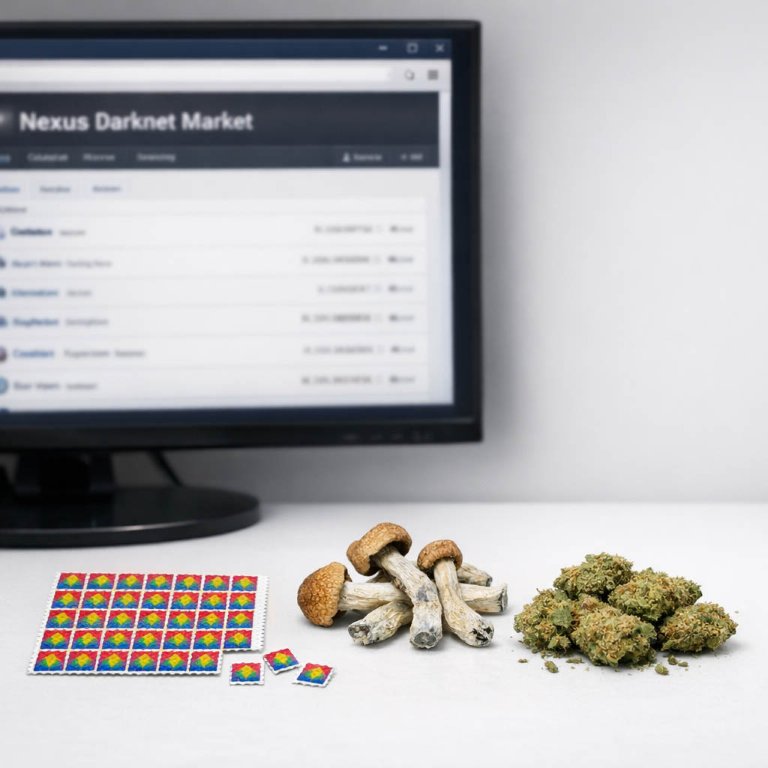
Great Selection and Quality on the Darknet
The primary advantage of established darknet markets is the extensive product catalog available to users. Unlike conventional e-commerce, these platforms aggregate listings from numerous independent vendors, creating a diverse and competitive marketplace. The range extends far beyond common categories, offering access to pharmaceuticals, digital goods, and other controlled substances that are difficult to source through regular channels. This variety is a direct function of the market's size and reputation; larger platforms with robust security and escrow systems attract more vendors, which in turn increases product diversity and availability.
Product discovery is facilitated by advanced search functions and categorization. Users can filter by:
- Substance type and purity level
- Vendor country and shipping destinations
- Price range and quantity discounts
This system allows for efficient comparison shopping. The competitive environment pressures vendors to maintain high quality and fair pricing, as poor performance is reflected in public vendor ratings and reviews. Each product listing includes detailed descriptions, photographs, and often laboratory analysis results, providing a level of product transparency that builds consumer confidence. The feedback mechanism is continuous; every completed transaction contributes to the vendor's reputation score, creating a self-regulating ecosystem where quality and reliability are incentivized.
Access to this wide selection is contingent upon using current and verified onion links, as markets frequently change addresses for operational security. The ecosystem is dynamic, with new specialized markets emerging to cater to niche demands, ensuring that users seeking specific or rare items can typically find a platform that meets their requirements. The aggregate effect is a resilient network of commerce that prioritizes choice, vendor accountability, and consumer safety through decentralized systems.
How Tor Software Makes Darknet Trade Easy and Secure
Accessing a drknet market requires a specific tool: the Tor Browser. This software is fundamental, as standard web browsers like Chrome or Firefox cannot resolve .onion addresses. The Tor network operates by routing your connection through several encrypted layers, anonymizing your traffic and masking your physical location. This process provides the necessary privacy for both buyers and vendors on these platforms.
The installation and use of the Tor Browser is straightforward. After downloading it from the official project website, it functions similarly to any other browser but with critical privacy enhancements pre-configured. Users must ensure they download updates regularly to maintain security. Within the Tor environment, navigation to a market's verified .onion link is the next step, leading directly to the marketplace interface where commerce occurs.
This specialized software enables a secure ecosystem. It allows for the discreet browsing of product listings, communication with vendors, and the execution of transactions without exposing personal data. The design of these markets leverages Tor's capabilities to create a resilient commercial environment where privacy is the default, facilitating a wide range of trade.

Finding Working Darknet Links for Smooth Shopping
Access to current and verified .onion links is a prerequisite for engaging with darknet markets. These links are dynamic by design for security, making centralized directories essential. Specialized forums and community boards serve as the primary repositories for this information. Users actively share and vet new URLs, with verified status often granted by trusted members or through community consensus based on successful connection and transaction history.
Beyond simple link lists, these platforms provide critical analysis. User reports detail a market's operational consistency, the speed of its escrow releases, and the responsiveness of its support. This collective intelligence filters out phishing sites and exit scams before they can cause financial loss. A link is considered reliable not just when it loads, but when it is associated with a market demonstrating transactional stability and a growing base of positive vendor reviews.
The process for a user involves:
- Consulting multiple reputable forums to cross-reference a provided URL.
- Checking the date of the last confirmed successful access or purchase.
- Reading recent discussion threads about the market's performance and any administrative issues.