Darknet Markets 2026:
The dark web is part of the deep web but is built on darknets: overlay networks that sit on the internet but which can't be accessed without special tools or software like Tor. Tor is an anonymizing software tool that stands for The Onion Router — you can use the Tor network via Tor Browser.
| Darknet Market | Established | Total Listings | Link |
|---|---|---|---|
| TorZon Market | 2022 | 140+ | Onion Link |
| Nexus Market | 2024 | 600+ | Onion Link |
| Abacus Market | 2022 | 100+ | Onion Link |
| Ares | 2026 | 100+ | Onion Link |
| Cocorico | 2023 | 110+ | Onion Link |
Updated 2026-10-27
How Darknet Markets Work for Safe Shopping
A modern darknet market operates as a sophisticated e-commerce platform, with its core principle being the guarantee of transactional anonymity. This is achieved through a layered technological approach. The foundation is the use of cryptocurrencies like Monero or Bitcoin, which provide a decentralized payment method separate from traditional banking systems. Transactions are recorded on a public ledger, but the identities of the parties involved are obscured by cryptographic keys.
This financial privacy is coupled with network anonymity via the Tor network. Tor routes a user's internet traffic through a series of volunteer-operated servers, encrypting the data multiple times and masking the original IP address. This prevents outside observers from linking a user's physical location or identity to their activity on the market. The market itself employs end-to-end encryption for all internal communications, ensuring that messages between buyers and vendors, including shipping details, cannot be read by anyone else, including the market administrators.
The operational model mirrors that of clearweb marketplaces such as eBay or Amazon. Vendors maintain digital storefronts, listing products with detailed descriptions and images. The markets implement robust reputation and feedback systems to cultivate trust. After a transaction, buyers leave detailed reviews and ratings on both product quality and vendor reliability. This transparent feedback loop creates a self-regulating environment where high-quality vendors thrive, and poor performers are quickly identified by the community.
To further ensure security and fairness, escrow services are a standard feature. When a purchase is made, the buyer's cryptocurrency is held in escrow by the market. The funds are only released to the vendor once the buyer confirms receipt and satisfaction with the product. This mechanism protects buyers from scams and incentivizes vendors to fulfill orders accurately and professionally. Disputes are mediated by market staff, who review communication and evidence before adjudicating the release of escrow funds.
Logistics are handled with a focus on operational security (OPSEC). Vendors utilize discreet packaging methods designed to avoid detection during transit, prioritizing odor-proof and tamper-evident materials. Shipping is conducted through national postal services, leveraging the sheer volume of daily mail to provide cover. The entire process, from browsing to final delivery, is designed to be a secure, user-centric experience that prioritizes privacy, reliability, and consumer choice.
How Cryptocurrency Makes Private Shopping on the Darknet Easy
The operational integrity of a modern darknet market is fundamentally dependent on cryptocurrency. This technology provides the necessary financial privacy that distinguishes these platforms from conventional e-commerce. Transactions are not processed through banks or credit card companies, which typically record and share personal data. Instead, payments are made directly between the buyer and the market's escrow system using digital currencies like Monero (XMR) or Bitcoin (BTC).
Monero is particularly valued for its strong privacy features. Its blockchain obfuscates transaction details by default, making the sender, receiver, and amount confidential. This creates a financial environment where purchasing decisions are separated from personal identity. The process is straightforward:
- A buyer funds their market account wallet.
- Upon ordering, cryptocurrency is moved into a secured escrow.
- The funds are only released to the vendor after the buyer confirms receipt and satisfaction with the product.
This model offers clear advantages for consumer autonomy. Individuals can access a wider range of goods without their financial activity being profiled or censored by traditional institutions. The use of cryptocurrency, especially privacy-centric coins, effectively removes financial intermediaries from the transaction. This direct peer-to-peer framework, secured by cryptography, is a primary reason these markets can function as reliable platforms for anonymous commerce.
How Encryption Keeps Darknet Trade Private and Secure
The operational security of a darknet market is fundamentally dependent on encryption. This technology functions as the primary shield for all participants, ensuring that user identity and transaction data remain confidential and inaccessible to unauthorized parties. The process begins with the market's mandatory use of PGP (Pretty Good Privacy) keys. Every registered user must generate a unique PGP key pair, consisting of a public key and a private key.
When a buyer places an order, their delivery address and any specific instructions are encrypted using the vendor's publicly listed PGP key. This means the information is scrambled into an unreadable format that can only be deciphered by the vendor's corresponding private key. Consequently, the market platform itself never has access to the plaintext, or readable version, of this sensitive data. This model of end-to-end encryption ensures that personal information is exposed only to the two parties directly involved in the trade.
Beyond personal data, encryption secures the entire communication channel. All messages between users and vendors within the market's internal system are automatically encrypted. This protects the content of discussions about product specifics, logistics, and feedback from being intercepted or monitored. The combination of these encryption practices creates a robust framework for anonymous commerce by:
- Separating financial transactions (handled by cryptocurrency) from physical delivery information.
- Preventing the market administrators from possessing comprehensive user data.
- Allowing buyers and vendors to verify each other's identities through signed messages without revealing real-world details.

How Reviews Make Darknet Markets Reliable
The feedback system is the central pillar of trust and quality assurance on a modern darknet market. It functions as a decentralized reputation mechanism, directly replacing the regulatory oversight found in legal commerce. Every transaction concludes with an opportunity for the buyer to leave a detailed review and a numeric rating, typically on a scale from one to five stars.
This creates a transparent and publicly verifiable record of a vendor's performance. Buyers assess not just the product's quality and accuracy of its description, but also the vendor's operational security, communication speed, and shipping discretion. A vendor with hundreds of positive reviews and a high average score, such as 4.95/5, demonstrates consistent reliability. This accumulated reputation becomes their most valuable asset, directly influencing sales volume and allowing them to command premium prices.
The system's design actively promotes quality and deters malpractice. New vendors begin with zero reputation, requiring them to build trust through smaller, often discounted initial sales. The threat of a negative public review serves as a powerful deterrent against sending inferior products or engaging in scams, as a single bad review can significantly impact future business. Markets often supplement this with structured feedback, allowing users to rate specific aspects of a transaction.
- Product Quality: Matching the advertised description and potency.
- Stealth & Shipping: The effectiveness of concealment methods and shipping time.
- Communication: The vendor's responsiveness and professionalism.
This granular data allows potential buyers to make informed decisions based on the factors most important to them. Ultimately, the feedback loop creates a self-regulating environment where high-quality vendors thrive through demonstrated performance, while unreliable ones are systematically identified and avoided by the community. This mechanism efficiently allocates trust and fosters a market where quality and service are paramount for commercial success.
How Escrow Makes Darnet Drug Deals Safe and Fair
The escrow system is a fundamental component that enables secure transactions on a modern darknet market. It functions as a neutral third-party holding service for cryptocurrency payments. When a buyer places an order, the funds are sent to the market's escrow wallet and are locked there. This mechanism directly addresses the inherent lack of trust in anonymous environments by ensuring that the seller cannot access the payment until the buyer confirms satisfactory receipt of the goods.
The process follows a clear sequence:
- The buyer submits payment, which is held in escrow by the market platform.
- The seller is notified and ships the product.
- Upon delivery, the buyer finalizes the order, releasing the funds from escrow to the seller.
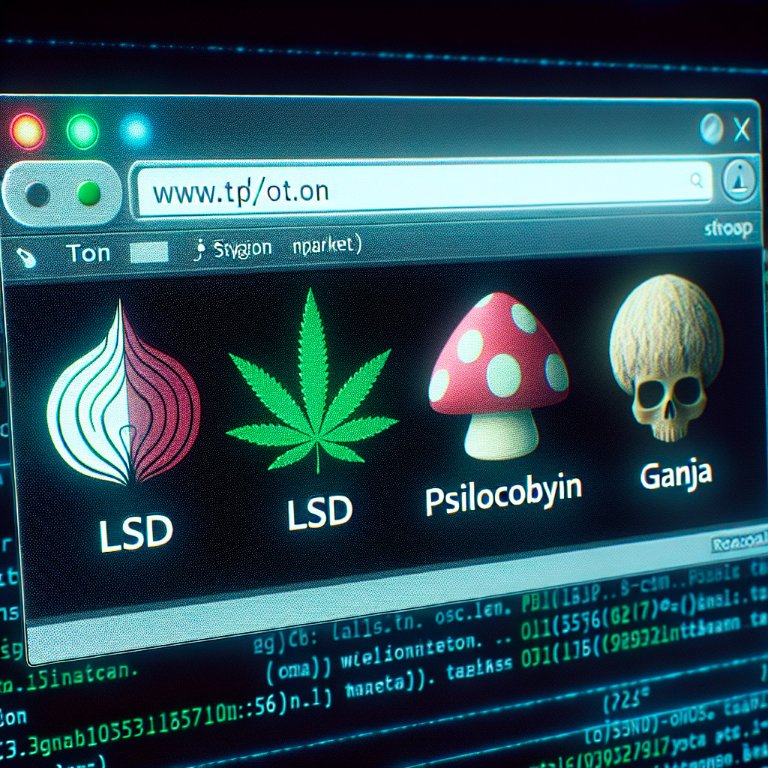
How Darknet Markets Deliver Reliably
The logistical framework of a modern darknet market is a critical component that directly determines its commercial viability and user satisfaction. Unlike common misconceptions, these platforms operate on principles of operational security and reliability, mirroring legitimate e-commerce logistics but with enhanced anonymity measures. The process begins with vendors employing professional stealth packaging techniques, which ensure the contents are undetectable both visually and through scent during standard postal inspections. Materials are chosen to block x-rays and human scrutiny, making the package indistinguishable from ordinary mail.
Following secure packaging, the item enters the national or international postal system. Markets leverage the sheer volume of this legitimate infrastructure, where isolating specific parcels is statistically improbable. Vendors often use decoy addresses and drop shipping methods to further distance the transaction from the end consumer. Tracking numbers are provided to buyers, allowing for transparent monitoring of shipment progress without revealing identities. This system creates a reliable flow of goods.
The efficiency is maintained through sophisticated vendor management systems. High-performing vendors are distinguished by key metrics:
- Consistent on-time dispatch rates.
- Maintaining a high finalization rate after delivery.
- Positive feedback specifically praising shipping speed and package quality.
How Darknet Markets Put Buyers First
The operational model of a modern darknet market is fundamentally structured around the consumer. This focus is a direct response to the absence of legal recourse, making user experience, reliability, and trust the primary competitive advantages. Unlike traditional illicit markets, these platforms must actively earn user loyalty through superior service design.
The interface of a leading darknet market often mirrors that of conventional e-commerce sites. This includes advanced search filters, detailed product listings with high-resolution images, and vendor storefronts. This normalization reduces friction and allows buyers to make informed decisions based on standardized information, much like on any mainstream online marketplace.
Customer support systems are a critical component. Reputable markets provide ticketing systems for dispute resolution and dedicated support for technical issues. This formalizes conflict resolution, moving it away from arbitrary or violent methods. The system is designed to be transparent, with moderators often reviewing encrypted communication between buyers and vendors to make fair judgments in escrow disputes.
Market incentives are carefully aligned to promote quality service. The reputation system, built on consistent and verifiable transaction feedback, is the core metric for both vendors and buyers. A vendor with hundreds of positive reviews has a tangible economic incentive to maintain high standards, as their shop's visibility and sales directly depend on it. This creates a self-regulating environment where poor product quality or shipping practices are economically punished through negative feedback and loss of future business.
Additional consumer-centric features commonly include:
- Multi-signature escrow options that give the buyer more control over the final release of funds.
- Two-factor authentication (2FA) and PGP login requirements to enhance account security.
- Detailed shipping options and policies set by vendors, providing clarity on delivery times and regions.
- Regular platform updates and announcements regarding security, new features, or policy changes, fostering a sense of community and ongoing development.
This comprehensive approach transforms the transaction from a simple exchange into a service-oriented experience. The market's success depends on its ability to attract and retain a consistent user base, which is only possible by systematically reducing risk and uncertainty for the consumer at every step of the process.
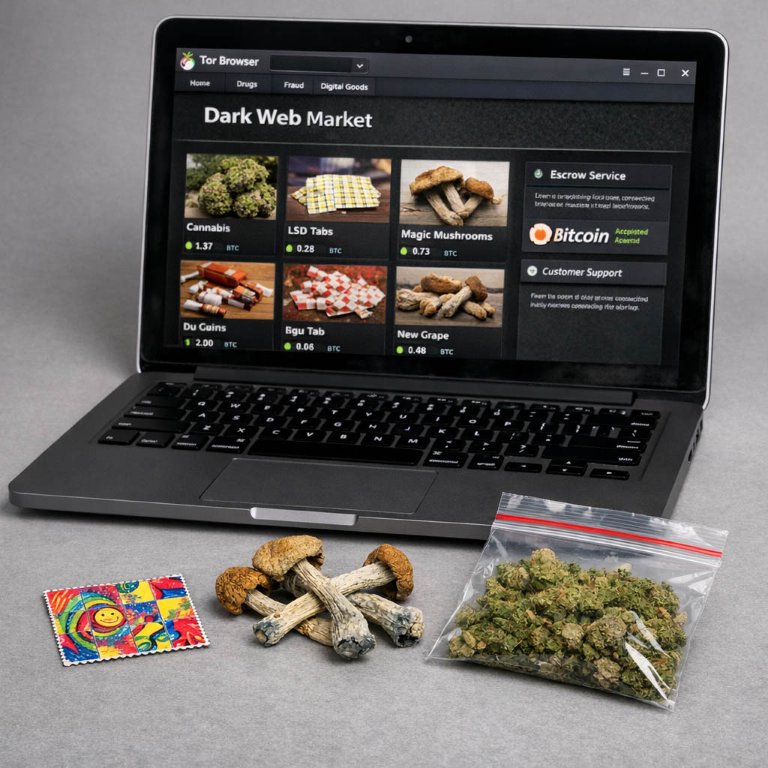
How a Modern Darknet Works for Secure Trade
The operational framework of a modern darknet market is a sophisticated system engineered to facilitate anonymous commerce, with a primary focus on secure transactions for goods like pharmaceuticals. Its architecture is built upon several integrated pillars that create a functional and resilient ecosystem.
Access begins with the Tor network or similar anonymity software, which obscures a user's location and identity by routing connections through multiple encrypted layers. Upon reaching the market, a user encounters a familiar e-commerce interface with search functions, product categories, and vendor stores. Product listings include detailed descriptions, prices set in cryptocurrency like Bitcoin or Monero, and shipping information. The escrow system is central to transaction security. Funds from a buyer are held in escrow by the market until the order is fulfilled and confirmed, preventing vendor fraud and ensuring product quality before final release of payment.
Communication occurs through internal, encrypted messaging systems, allowing for order coordination without exposing external contact details. Trust is systematically generated through transparent feedback and rating systems. Both buyers and vendors accumulate reputation scores and detailed reviews, creating a self-policing community where reliability is publicly documented. For physical goods, efficient logistics are managed by vendors who employ discreet packaging and tracking, often leveraging standard postal services to blend with regular mail. The entire platform and all user data are protected by robust encryption protocols, safeguarding financial details, addresses, and communication from interception. This framework demonstrates how darknet markets have institutionalized mechanisms for privacy, security, and trust to support their commercial activities.