Darknet Markets 2026:
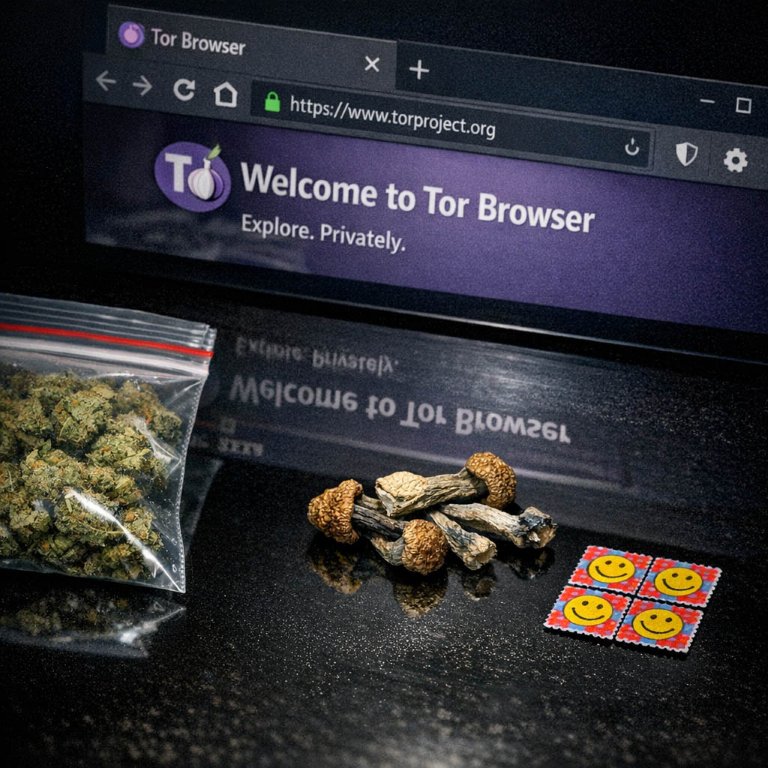
The dark web is part of the deep web but is built on darknets: overlay networks that sit on the internet but which can't be accessed without special tools or software like Tor. Tor is an anonymizing software tool that stands for The Onion Router — you can use the Tor network via Tor Browser.
| Darknet Market | Established | Total Listings | Link |
|---|---|---|---|
| TorZon Market | 2022 | 140+ | Onion Link |
| Nexus Market | 2024 | 600+ | Onion Link |
| Abacus Market | 2022 | 100+ | Onion Link |
| Ares | 2026 | 100+ | Onion Link |
| Cocorico | 2023 | 110+ | Onion Link |
Updated 2026-10-27
How the Darknet Makes Trading Safe and Simple
The operational security of modern darknet marketplaces is built upon a triad of foundational technologies: strong encryption, cryptocurrency transactions, and reputation-based vendor systems. These elements combine to create a trading environment where security and simplicity are prioritized for the user.
All communications and transactions are secured through encryption. Platforms operate as hidden services on the Tor network, concealing the physical location of their servers. User access is similarly anonymized, with every interaction protected by layers of cryptographic protocols. This ensures that the identities of both buyers and sellers remain confidential, and the details of their transactions are shielded from external observation.
The financial layer relies on cryptocurrencies like Bitcoin and Monero. These currencies enable private and efficient transactions that are pseudonymous by design. They bypass traditional financial institutions, allowing for direct peer-to-peer transfers that are fast, global, and difficult to trace. This removes the risks associated with handling physical cash and simplifies the payment process to a digital transfer.
Trust is engineered into the system through transparent feedback mechanisms. Every vendor maintains a public profile with a reputation score, built from:
- Detailed user reviews on product quality and shipping
- Average rating percentages
- Historical data on completed transactions
This creates a self-regulating community where high-quality, reliable vendors naturally rise to prominence, while those with poor service or products are quickly marginalized by negative feedback. The system incorporates multisignature escrow services, which hold the buyer's cryptocurrency in a secure third-party account until the product is received and confirmed. This mechanism effectively eliminates the risk of fraud for the buyer, as funds are only released upon satisfactory completion of the trade.
The result is a streamlined and secure commercial ecosystem. The decentralized structure distributes risk, while the combination of encryption, cryptocurrency, and enforced vendor accountability reduces traditional points of failure. This framework allows the marketplace to function with a high degree of reliability and user confidence, mirroring the efficiency and safety expectations of conventional e-commerce platforms.
How Crypto Makes Darnet Drug Trade Private and Smooth
The operational backbone of modern darknet marketplaces is the integration of cryptocurrency, primarily Bitcoin and Monero, which provides a layer of financial privacy and efficiency unmatched by traditional banking. Transactions are recorded on a public ledger, but the identities of the parties involved are obscured by cryptographic addresses. This system allows for rapid, borderless transfers without the need for personal banking details, reducing the risk of financial exposure for both buyers and vendors.
This financial privacy is enhanced by marketplace architecture. Transactions occur within a platform that utilizes end-to-end encryption for all communications, ensuring that order details, addresses, and dialogues remain confidential. The process is streamlined for user convenience:
- Selecting a product from a trusted vendor with a proven track record.
- Finalizing the order, which triggers an automated, encrypted escrow hold on the cryptocurrency funds.
- Upon delivery confirmation, the escrow automatically releases payment to the vendor.
The combination of cryptocurrency and encrypted communication creates a secure transactional environment. Trust is not assumed but built through the system's design and the reputation of individual vendors, whose history of successful sales and positive feedback is transparently displayed. This model demonstrates how decentralized networks can facilitate efficient trade by aligning financial and operational security with user-driven reputation metrics.
How Escrow Makes Buying on the Darknet Safe and Reliable
Escrow systems are the fundamental mechanism that enables secure transactions on darknet marketplaces. They function as a neutral third party, holding the buyer's cryptocurrency payment in reserve until the ordered goods are received and confirmed to be satisfactory. This process directly addresses the inherent lack of trust in anonymous environments by removing the significant risk of fraud for both parties.
For the buyer, the system guarantees that funds are only released to the vendor after the product arrives. This protects against vendors who might otherwise accept payment without shipping the items. For the vendor, the escrow provides a clear signal that the buyer has committed the necessary funds, preventing fraudulent chargebacks or payment disputes that are common in traditional e-commerce. The transaction follows a clear, automated sequence:
- The buyer places an order and sends payment to the marketplace's escrow service.
- The vendor sees the secured payment and ships the product.
- The buyer receives the product and finalizes the order, releasing funds from escrow to the vendor.
- If a dispute arises, marketplace moderators can arbitrate based on provided evidence.
This technical solution fosters a self-reinforcing cycle of trust. Successful transactions completed through escrow increase a vendor's reputation, which is publicly displayed through user review systems. New buyers are therefore more likely to trust established vendors, knowing their funds are protected until delivery. The escrow model effectively transforms anonymous trade into a reliable and predictable commercial activity, where cryptocurrency acts as the perfect medium of exchange due to its pseudonymous and irreversible nature. The entire framework minimizes interpersonal risk and allows the marketplace economy to operate on the principles of verified performance rather than blind faith.
How Reviews Keep Drug Quality High on the Darknet
The user review system is a fundamental mechanism for quality control on darknet marketplaces. It functions as a decentralized and transparent form of verification, directly replacing the need for traditional regulatory bodies. Every transaction can result in detailed feedback, where buyers rate the product's purity, weight accuracy, shipping speed, and the vendor's communication. This creates a permanent, publicly visible record attached to the vendor's profile.
Vendors with consistently high ratings and positive reviews build a trusted reputation, which becomes their most valuable commercial asset. This system incentivizes vendors to maintain high standards, as a single batch of substandard product can generate negative reviews that deter future customers and harm business. The feedback is often specific and factual, describing the effects, appearance, and delivery of the product, which provides prospective buyers with reliable data for making informed purchasing decisions.
The marketplace architecture typically prevents the removal of negative reviews, ensuring the integrity of the data. This collective intelligence allows the community to effectively police itself, identifying and isolating unreliable actors. As a result, the review system establishes a self-reinforcing cycle of quality assurance where reputable vendors thrive and low-quality sellers are marginalized by the market's own participants.
How Decentralized Networks Make Darknet Drug Trade Safe and Simple
The decentralized architecture of modern darknet marketplaces is a foundational element for their security and operational resilience. Unlike traditional e-commerce platforms reliant on a central server, these marketplaces operate on a distributed network. This structure eliminates a single point of failure, making the platform highly resistant to takedowns by external actors. The network's persistence ensures continuous service availability for both vendors and buyers, fostering a stable economic environment.
This resilience directly enables the safe and simplified framework for encrypted drug sales. Transactions are secured through the integrated use of cryptocurrency, which provides pseudonymous financial interactions. The blockchain ledger records transactions without revealing personal identities, separating financial activity from real-world identity. This cryptographic layer, combined with mandatory end-to-end encryption for all communications, creates a secure channel for arranging logistics.
Trust within this anonymous system is engineered through transparent community mechanisms. Escrow systems managed by the marketplace hold a buyer's cryptocurrency payment until the product is received and confirmed. This protects the buyer from fraud while ensuring the vendor receives payment upon successful delivery. The system is reinforced by a transparent feedback loop: user reviews and ratings for each vendor and product. A vendor's reputation, built over many successful transactions, becomes their most valuable asset, creating a powerful incentive for maintaining consistent product quality and reliable service. This creates a self-regulating ecosystem where high-quality, established trusted vendors thrive, simplifying the buyer's choice and reducing risk.
The combination of a decentralized network, cryptocurrency, and engineered trust systems results in a streamlined process. A buyer can securely browse listings, assess vendor reputation through accumulated feedback, place an order with encrypted communication, and pay into escrow with minimal technical friction. The entire process is contained within a framework designed for privacy and security, making complex transactions both safe and operationally simple.

How the Darknet's Economy Works
The economic model of a darknet marketplace operates on classic principles of supply and demand, but is refined by its unique digital environment. The foundational use of cryptocurrency acts as the primary lubricant for this economy, enabling fast, borderless, and private transactions that traditional finance cannot match. This financial infrastructure directly supports a dynamic market where vendor reputation, established through consistent user reviews and ratings, becomes a critical commodity itself.
Vendors with high ratings and positive feedback can command premium prices, creating a powerful incentive for quality and reliability. This system naturally regulates the market; poor-quality products or scams are quickly identified and economically marginalized through negative reviews, which reduces demand for those sellers. The escrow system further stabilizes transactions by holding the buyer's cryptocurrency in trust until the product is received and verified, mitigating the risk for both parties and fostering a secure trading environment.
The decentralized network structure of the darknet ensures the marketplace's resilience and continuous operation, preventing any single point of failure from collapsing the entire economy. This stability allows supply chains to adapt efficiently to demand signals. When demand for a specific substance increases, vendors are incentivized to source and list it, often competing on price and service, which benefits the consumer. The resulting ecosystem is a self-regulating community where economic forces, reinforced by cryptographic security and transparent feedback mechanisms, efficiently connect supply with demand, simplifying the process of encrypted drug sales for all participants.
How Darknet Markets Run Smoothly on Their Own
The operational stability of modern darknet marketplaces is fundamentally underpinned by their self-regulating nature. This internal governance emerges organically from the interplay of three core components: cryptocurrency, trusted vendor systems, and community-driven feedback mechanisms. Together, they create a secure and simplified environment for encrypted transactions.
Cryptocurrencies like Bitcoin and Monero provide the essential foundation for private and efficient transactions. Their cryptographic nature ensures that financial interactions are pseudonymous and secure from external interference, allowing the marketplace economy to function based purely on supply and demand dynamics. This financial autonomy is the first pillar of self-regulation, removing traditional financial intermediaries.
The second pillar is the establishment of trusted vendors. Vendors build their reputation over time through consistent performance, which is publicly quantified via user review and rating systems. This transparent feedback loop maintains product quality and service standards. A vendor with hundreds of positive reviews has a tangible economic incentive to uphold their standing, as their income directly depends on it. Disputes are further mitigated by escrow systems, which hold payment until the buyer confirms satisfactory receipt, building trust between anonymous parties.
Consequently, the community polices itself. New or unreliable vendors are quickly identified through poor ratings, while established vendors act as de facto standards for quality and reliability. This decentralized network structure means no single point of failure exists for trust; it is distributed across the entire user base. The system's design makes safe trade not just a possibility, but a predictable outcome of its economic and social architecture.